The Science of Glass Packaging: Enhancing Your Brand With Sustainable Glass Bottles
The craft of glass packaging presents brands with a unique avenue for differentiation. Via eco-friendly approaches, glass bottles improve aesthetic presentation while resonating with environmentally aware consumers. Their natural characteristics, including recyclability and chemical safety, signify a commitment to quality. As organizations traverse this shifting terrain, comprehending the wide-ranging benefits and complexities of glass packaging proves vital for enduring achievement. How are brands leveraging creative approaches to capitalize on these benefits?
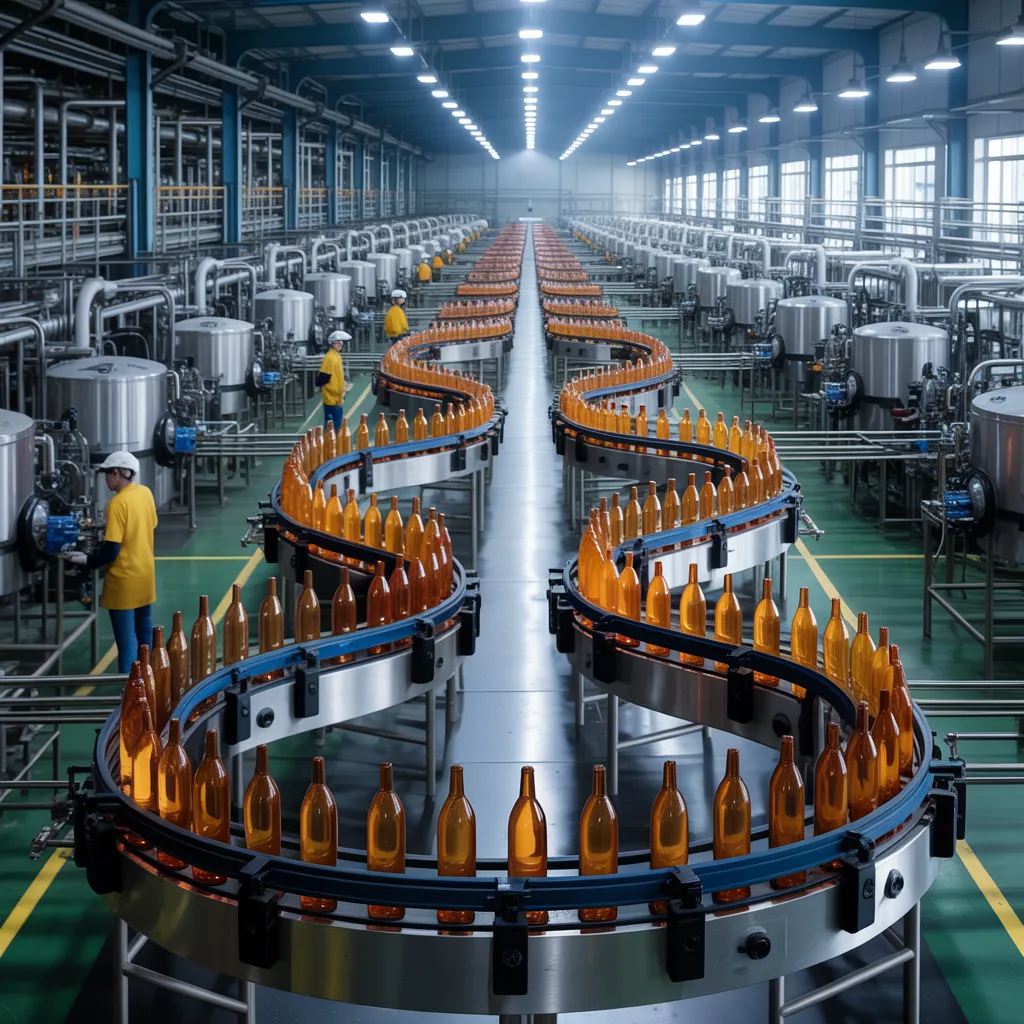
The Benefits of Choosing Glass Packaging for Your Brand
Selecting glass as a packaging material can considerably elevate a brand's image and sustainability efforts. Businesses that select glass demonstrate a pledge to superior standards and high-end consumer experiences, attracting selective buyers who recognize the importance of design and utility. Glass offers a enduring and sophisticated look, enhancing a brand's recognizable image while delivering a physical interaction that synthetic materials fail to replicate.
Additionally, glass containers project an image of cleanliness and security, as it is devoid of toxic substances commonly present in plastic materials. This decision can appeal to eco-aware shoppers who associate glass with responsible practices. Furthermore, its resilience permits repeated utilization, further reinforcing a brand's dedication to sustainability.
In an industry growing more conscious of environmental impact, adopting glass packaging can distinguish a brand building consumer loyalty and strengthening brand trust. At its core, this deliberate decision places brands at the forefront of eco-conscious innovation and quality, aligning with contemporary consumer expectations.
The Environmental Advantages of Glass Bottles
Glass bottles present substantial environmental benefits that differentiate them from other packaging materials. Glass bottles are fully recyclable, supporting a sustainable economy where materials can be reused indefinitely without compromising quality. This quality significantly minimizes the demand for raw materials, consequently limiting resource extraction and energy consumption connected to the production process.
In addition, glass packaging is non-reactive, meaning it does not seep dangerous compounds into its products, ensuring safer consumption. Unlike plastic, glass does not contribute to microplastic pollution, which is a mounting environmental challenge.
Glass bottle production similarly results in fewer greenhouse gas emissions in comparison to plastic. With advancements in manufacturing processes, energy efficiency has been greatly enhanced, additionally minimizing the environmental impact associated with producing glass.
Innovative Designs That Enhance Glass Packaging
Unique aesthetics in glass vessels are reshaping how consumers view products. Original silhouettes and configurations not only boost practicality but also attract consumer attention. Additionally, eye-catching color palettes further elevate the aesthetic appeal, making glass packaging rise above the competition on display.
Unique Shapes and Structures
Revolutionary designs in glass-based packaging not only elevate the overall look but also play an essential role in brand differentiation. Unconventional forms and structures can create memorable consumer experiences, allowing products to rise above the competition on busy retail displays. As an example, irregularly shaped bottles or angular designs can evoke curiosity and encourage interaction. These original shapes often correspond with a brand's core values, supporting its overarching mission and beliefs. Furthermore, original designs can boost practicality, including better grip or improved dispensing. Organizations that embrace creative glass packaging solutions demonstrate dedication to excellence and environmental responsibility, appealing to sustainability-minded customers. Through emphasizing creativity in their packaging choices, companies can foster deeper connections with their audience, consequently strengthening customer commitment and improving market positioning.
Captivating Color Palettes
Vibrant color palettes serve a vital function in enhancing glass packaging, transforming ordinary bottles into enchanting visual statements. By utilizing a deliberate combination of shades, companies can stir feelings and craft lasting impressions for customers. Vivid hues can communicate exceptional value, whereas gentler shades can express refinement and elegance.
Additionally, the use of gradient and multi-tone aesthetics adds depth and intrigue, capturing attention on busy shelves. Sustainability-driven practices further elevate the attractiveness; eco-friendly dyes and finishes resonate with conscious consumers. Ultimately, the ideal color palette not only embodies a brand's character but also strengthens its dedication to sustainability, positioning glass packaging as a compelling differentiator in a competitive marketplace.
How Can Glass Packaging Elevate Product Perception?
Glass packaging markedly enhances product perception via its upscale feel and visual appeal, evoking a feeling of luxury among consumers. The inherent transparency and optical clarity of glass offer consumers an unrestricted look at the product, further reinforcing quality. Additionally, using glass aligns with eco-friendly brand positioning, resonating with eco-minded consumers.
Premium Feel And Appeal
The use of glass packaging greatly elevates the apparent worth of a product, frequently linking it to quality and sophistication. Consumers frequently associate glass with premium quality, resulting in stronger brand dedication and positive consumer experiences. The physical feel of glass, with its sleek finish and substance, creates a premium feel that plastic is unable to match. This sensory engagement builds a relationship between the product and the consumer, nurturing an impression of excellence. Additionally, glass packaging demonstrates a dedication to sustainability, attracting eco-aware consumers. As a result, brands utilizing glass can position themselves as superior choices within their markets, drawing selective buyers who appreciate both style and sustainability in their buying choices.
Clear Visual Transparency And Precision
When consumers encounter products in glass packaging, their impression is frequently elevated by the inherent visual transparency and clarity it provides. This transparency allows potential buyers to see the product inside, building a feeling of confidence and genuineness. The clarity of glass not only showcases the product's quality but also highlights its color and texture, enhancing visual appeal. Additionally, the absence of labeling distractions on clear glass allows the product to take center stage, generating a more immersive purchasing journey. Glass packaging can elevate brand perception by conveying a commitment to quality and craftsmanship. This visual clarity ultimately influences consumer decisions, encouraging a deeper emotional connection with the product and the brand.
Environmentally Conscious Brand Positioning
Environmentally aware brands leverage glass containers to reinforce their commitment to sustainability, meaningfully improving the way consumers view their products. Glass projects an image of quality and authenticity, defining a loftier benchmark when measured against plastic counterparts. This material not only emphasizes the ecological values of a brand but also resonates with shoppers who value eco-conscious decisions. The physical sensation of glass—its heft and feel—additionally enhances the perceived worth of the product. Additionally, the recyclability of glass aligns with the growing consumer demand for sustainable practices, fostering brand loyalty. By selecting glass, brands not only highlight their devotion to environmental stewardship but also establish their products as high-end choices, consequently developing a distinguished presence in a competitive industry.
Examples of Brands Thriving With Glass Packaging
Numerous brands are thriving by transitioning to glass packaging, showcasing its consumer appeal and dedication to environmental responsibility. To illustrate, a well-known beverage company shifted to glass bottles, resulting in a 30% rise in sales within a year. The switch not only boosted product visibility on shelves but also connected with eco-conscious consumers, reinforcing the brand's sustainability message.
One other skincare brand effectively transitioned to glass vessels, greatly elevating its luxury brand perception. This change attracted a dedicated clientele who appreciates both aesthetics and environmental responsibility. Additionally, a craft beer producer embraced reusable glass containers, fostering customer loyalty and reducing waste. These examples demonstrate that glass packaging not only meets market needs for environmentally responsible choices but also bolsters brand recognition and competitive standing. Such thoughtful selections highlight an emerging pattern among businesses striving to integrate eco-friendly values into their processes while resonating with contemporary buyers.
How to Address Challenges in Glass Packaging
Managing the difficulties of glass packaging necessitates creative approaches and a keen understanding of the see the facts market. Brands often face challenges such as costly production processes, weight-related challenges, and structural vulnerability. To address these, organizations can implement advanced manufacturing techniques that lower waste output and enhance durability. Partnering with suppliers to procure environmentally responsible materials also minimizes environmental impact while appealing to eco-aware consumers.
A further difficulty concerns the complexities of shipping, due to the heavy nature of glass. Utilizing advanced logistics approaches, such as refined shipping techniques and innovative packaging designs, can reduce expenses and ensure product protection while in transit. Furthermore, educating consumers on the benefits of glass over plastic can build brand loyalty and stimulate demand. Through adopting these approaches, businesses can overcome obstacles in glass packaging and establish themselves as pioneers in sustainable practices, consequently improving their brand identity and overall market influence.
Emerging Trends in Sustainable Glass Packaging
As the demand for sustainable packaging continues to rise, the glass packaging industry is set for remarkable evolution. Innovations in manufacturing processes are expected to enhance energy efficiency, reducing the carbon footprint associated with glass production. Additionally, the rise of lightweight glass bottle usage will become a defining trend, decreasing transportation emissions while maintaining product integrity.
Recycling initiatives will become more robust, with increased collaboration between manufacturers and municipalities to improve glass collection and processing. Furthermore, the integration of smart technology into packaging will facilitate improved clarity throughout the supply chain, empowering companies to highlight their environmental commitments with impact.
Growing consumer demand for sustainable products will further accelerate the creation of personalized, attractive design solutions, combining utility with striking visual elements. With sustainability becoming a top priority for brands, the glass packaging sector is set to redefine its approach, harmonizing with global sustainability targets while fulfilling the needs of an eco-conscious audience.
Commonly Asked Questions
What Are the Costs Involved With Glass Packaging as Opposed to Plastic?
Glass-based packaging typically carries higher costs as a result of production, transportation, and recycling processes compared to plastic. However, it offers eco-friendly benefits and stronger brand positioning, making it a worthwhile investment for certain companies.
How Can I Personalize Glass Bottles for My Brand?
Companies can customize glass packaging by using original forms, tones, and surface treatments. Printed designs, engravings, and labels strengthen brand identity. Collaborating with suppliers secures consistency with environmental objectives while maintaining visual appeal and practicality.
What Specific Regulations Apply to Glass Packaging?
Indeed, particular regulations for glass packaging are in place, differing across regions. These cover safety standards, labeling requirements, and recycling guidelines, guaranteeing consumer safety and environmental responsibility while advancing sustainable practices in packaging manufacturing and distribution.
What Are the Top Best Practices for Recycling Glass Bottles?
For effective glass bottle recycling, people should rinse them to remove residues, take off the caps, and sort by color. Furthermore, they should consult local recycling guidelines for proper protocols and collection points to ensure correct handling and processing.
How Does Glass Packaging Affect Shipping and Logistics?
Glass packaging significantly impacts shipping operations and logistics by increasing weight and fragility, demanding meticulous handling and dedicated transportation methods. This can lead to higher costs and more complex supply chain management when compared to lighter and more resilient materials.